How to Use Consensus AI for Research Papers: Write Better Papers Faster
Writing a research paper usually goes like this: you open 20 different tabs on Google Scholar, read through dozens of dense abstracts, get a massive headache, and realize you still haven’t written a single sentence. Finding credible, peer-reviewed sources to back up your claims takes forever.
But what if you could ask a question and instantly get answers pulled directly from over 200 million scientific papers? No blog posts, no opinions, no AI hallucinations—just pure, hard science summarized for you in seconds. That is exactly what Consensus AI does.
If you want to cut your research time in half and ace your next academic assignment, here is a practical, step-by-step guide on how to use Consensus AI for research papers effectively.
What is Consensus AI?
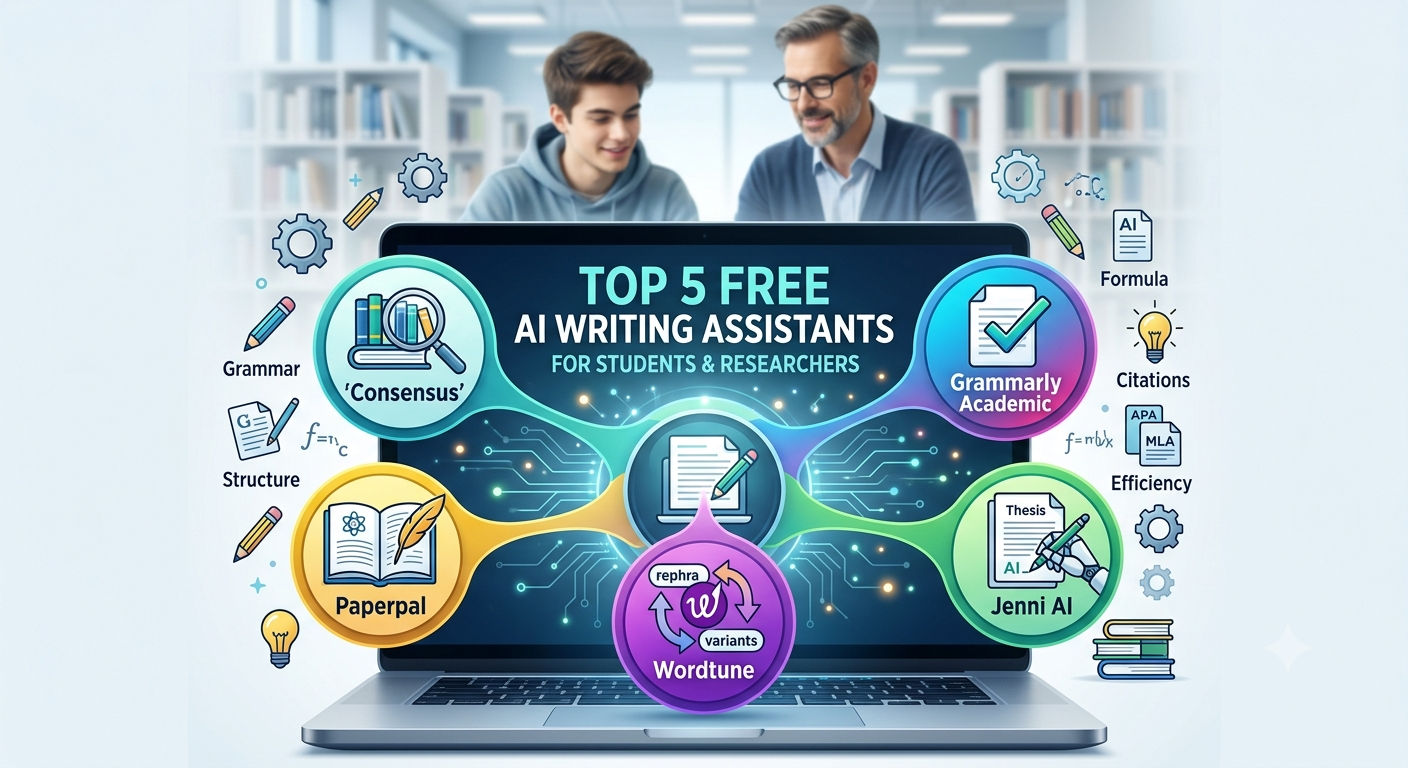
Consensus is a specialized AI-powered search engine designed specifically for students, researchers, and scientists. Unlike traditional AI tools that guess information, Consensus reads through real, peer-reviewed academic papers to answer your questions.
The best part? Every single claim it makes comes with a direct citation to the original study. It’s like having a brilliant research assistant who has read every scientific journal on the planet and tells you exactly where to look.
How to Use Consensus AI for Your Next Paper (Step-by-Step)
Using Consensus is incredibly straightforward, but a few pro tips can make your results much more powerful. Here is how to get started:
Step 1: Ask a Clear, Answerable Question
Head over to the Consensus AI website and create a free account. In the search bar, type your question.
Consensus works best when you ask “Yes or No” questions or questions about relationships between topics. For example:
- “Does caffeine improve long-term memory?”
- “What are the psychological effects of social media on teenagers?”
Step 2: Read the “Consensus Meter”
When you ask a “Yes/No” question, Consensus gives you a visual feature called the Consensus Meter. This feature analyzes all the relevant papers and tells you the percentage of scientists who agree or disagree. For instance, it might show you that 75% of studies say “Yes, caffeine improves memory.” This is gold for writing a strong thesis statement!
Step 3: Use the Copilot for Instant Summaries
On the right side of the screen, turn on the “Copilot” feature. Instead of making you read through 10 different search results, the Copilot reads the top papers and synthesizes them into one cohesive paragraph. You can copy this summary directly into your notes as a perfect overview of the topic.
Step 4: Filter for the Best Evidence
Don’t just take the first results. Use the built-in filters to refine your search for higher-quality evidence:
- Study Type: Filter for “Systematic Reviews” or “Meta-Analyses” (these are the highest quality studies in the scientific world).
- Publication Year: Keep your research fresh by limiting results to the last 3 or 5 years.
- Journal Quality: Filter for highly-cited papers to ensure your sources are respected.
Step 5: Export Your Citations
Once you find a quote or data point you love, click the “Cite” button right under the result. Consensus will automatically format the citation in APA, MLA, Chicago, or Harvard format. Just copy and paste it straight into your bibliography!
Why Consensus Trumps ChatGPT for Academic Work
Tools like ChatGPT are great for brainstorming or fixing grammar, but they are notorious for “hallucinating”—meaning they often invent fake facts, fake book titles, and fake authors. If you put a fake citation in a university paper, that’s a quick way to fail. Consensus completely eliminates this risk because it is grounded 100% in published literature.
The Verdict: A Must-Have Tool for Students
Consensus AI doesn’t write the paper for you (and it shouldn’t), but it completely revolutionizes how you find and understand academic evidence. By using it to structure your arguments and locate peer-reviewed sources, you’ll save hours of mindless scrolling and build a bulletproof research paper.
Give it a try on your next assignment—your GPA will thank you!